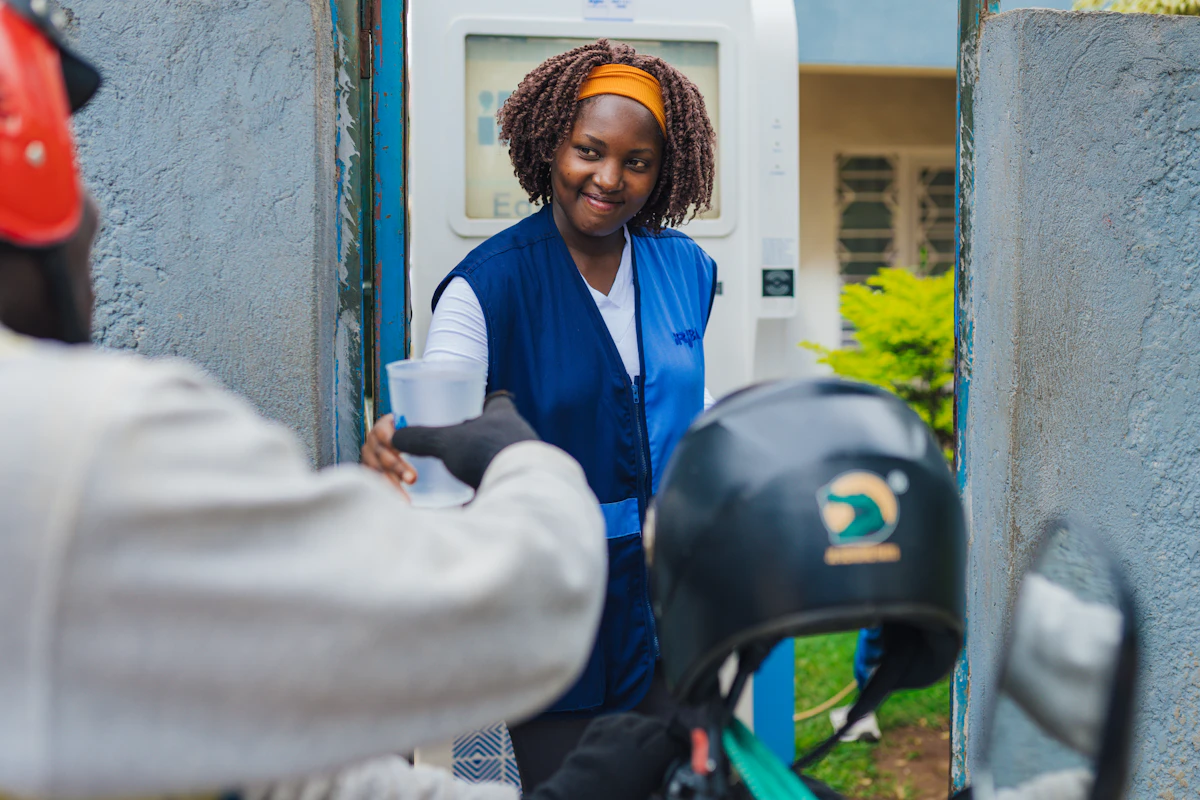
IRIBA Water Group runs Tap&Drink machines across Rwanda that turn unsafe water into clean, affordable drinking water. Local entrepreneurs run each station as a small business, and the model is already growing fast: 211 stations today, with a plan to reach 750 within the year. This post covers eight things worth knowing about how it works, from the treatment technology to the schools it now serves.
Picture a vending machine. But instead of dispensing soda, it dispenses something far more important: clean, safe drinking water.
That’s the basic idea behind IRIBA Water Group’s Tap&Drink machines.
IRIBA (pronounced “ee-REE-bah”) is tackling one of the hardest problems in global development: how to make safe water reliably available and affordable for the people who need it most.
And what I love about their approach is that they’ve built a business around solving the problem.
There are customers who want the product. Local entrepreneurs who earn an income selling it. Technology that keeps the water safe. And a model designed to grow.
Here are eight things worth knowing about how it all works.

Kigali has municipal water lines, but aging infrastructure and contamination risks mean the water isn’t always safe to drink straight from the tap.
That’s where IRIBA comes in.
Each Tap&Drink machine takes water and cleans it in several steps. First, sediment and carbon filters trap larger bits of dirt and soak up chlorine and bad smells. Next, a reverse osmosis membrane pushes the water through a super-fine filter that blocks bacteria and other tiny germs you can't see. Finally, UV light kills off whatever germs are still left.
As IRIBA puts it, the process catches “the things you can see and the things you can’t.”
And the technology keeps working after the water is clean. Sensors monitor things like flow rate and water quality and send data back to IRIBA’s team in real time. If something falls outside the acceptable range, the team can know within minutes—not days.
Every IRIBA machine is HACCP certified.
HACCP stands for Hazard Analysis and Critical Control Points. It’s a globally recognized food-safety system designed to identify and control potential hazards throughout production.
In other words, IRIBA isn’t simply saying its water is safe. Its process has been built around rigorous standards for keeping it that way.
That distinction matters.
This is where the model gets especially exciting to us.
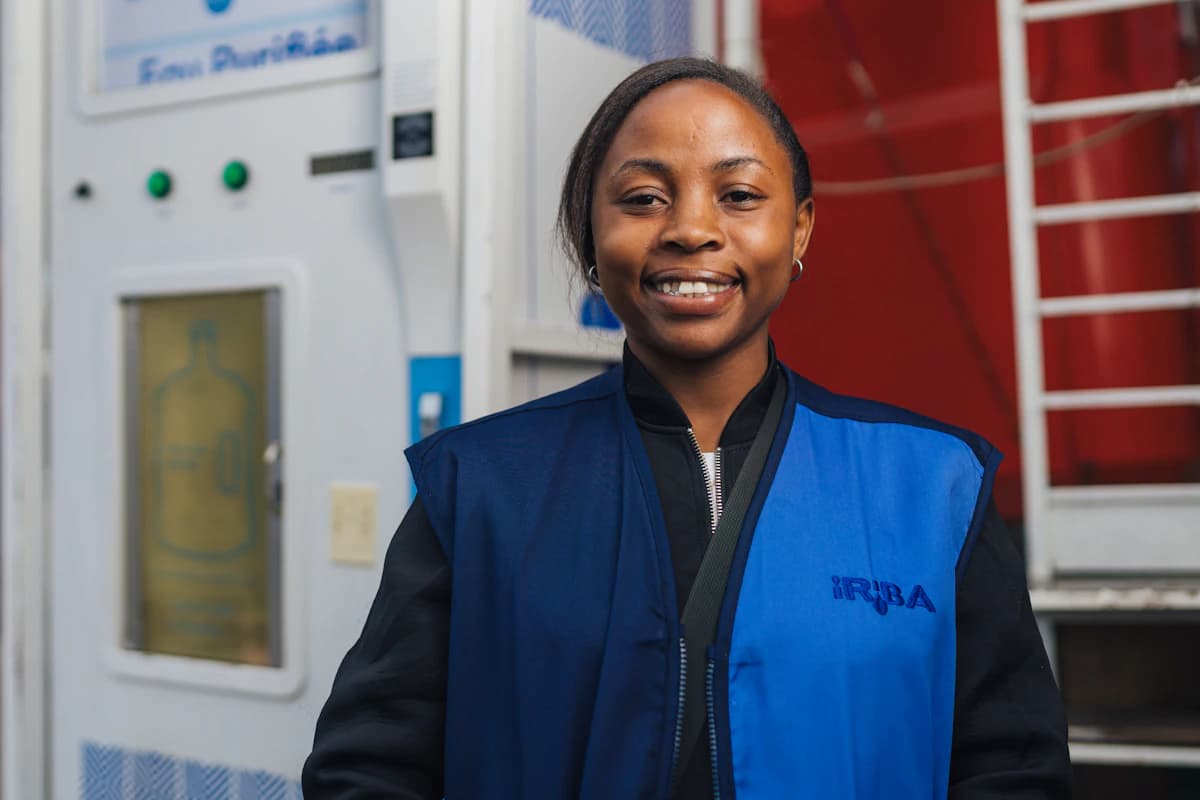
Each community Tap&Drink machine is operated by a local entrepreneur, often a young person from the same community the water stationserves.
IRIBA calls them franchise operators. Rather than simply working a shift, operators run a small water business using IRIBA’s technology, systems, and brand.
They earn an income while providing something their neighbors need every single day.
And the jobs extend beyond the kiosks. As IRIBA grows, it needs technicians to service machines, managers to support operators, and more people throughout the business to keep the entire system running.
Over the next year, IRIBA projects its growth will create approximately 278 jobs across Rwanda.
That’s exactly the kind of ripple effect we look for: solve an essential problem, create good jobs doing it, and build a model that can keep growing.
There’s no membership or subscription.
Customers simply buy water by the cup or liter, with larger quantities costing less per liter. On average, families can pay up to 80% less than they would for bottled water.
That affordability is critical.
If safe water is too expensive, families are forced to make difficult tradeoffs—buy bottled water, spend time and fuel boiling water, or take their chances with a less-safe source.
IRIBA is trying to make the healthiest choice the easiest one.
And people keep coming back. Usage tends to grow as communities learn that the water is safe, affordable, and reliably available.
To me, that repeat demand is one of the strongest signs that the model works: people choose it.
One of my favorite details about IRIBA is also one of the smallest.
Customers are encouraged to bring their own bottle, jug, or jerrycan to refill. It’s the cheapest and most sustainable option.
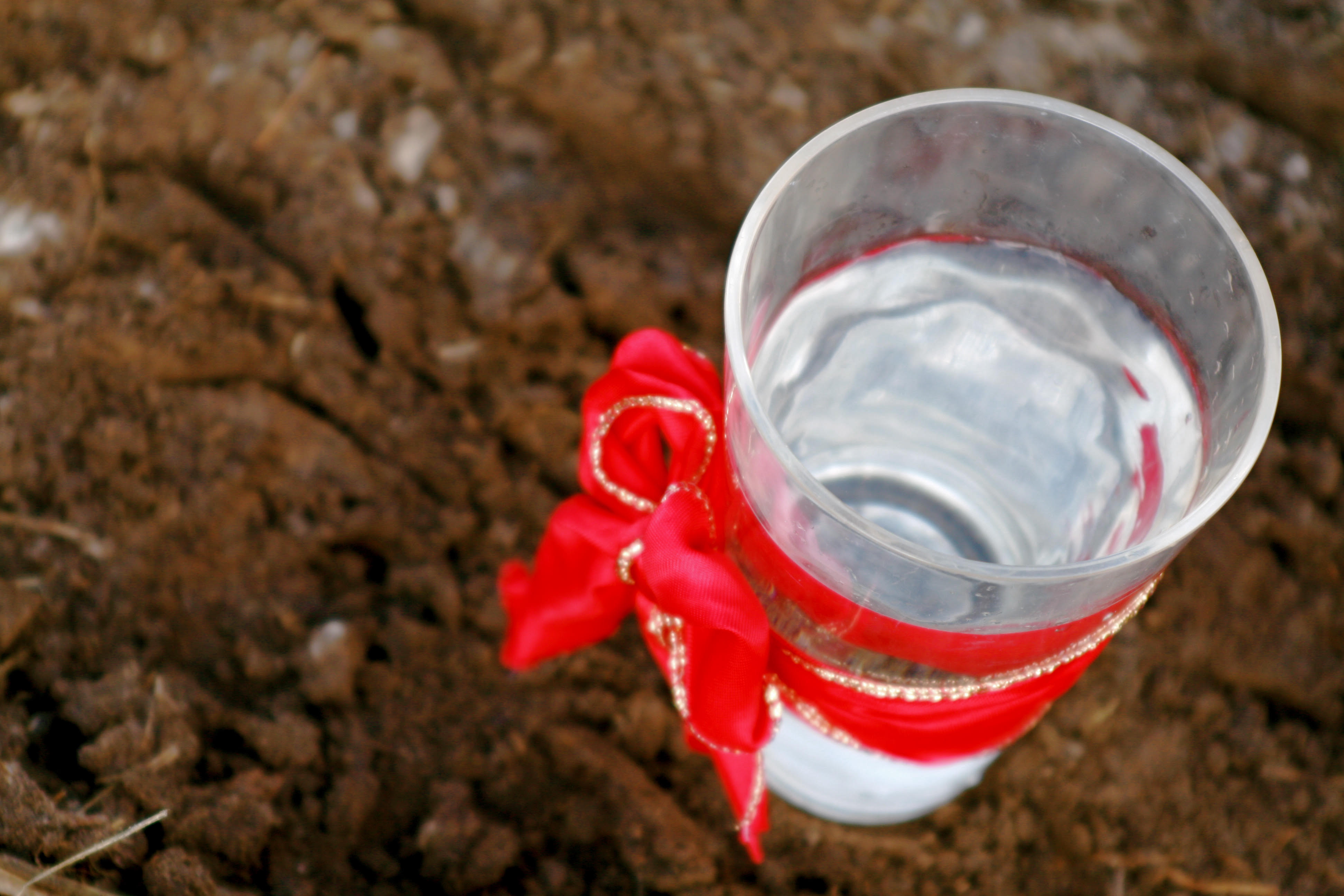
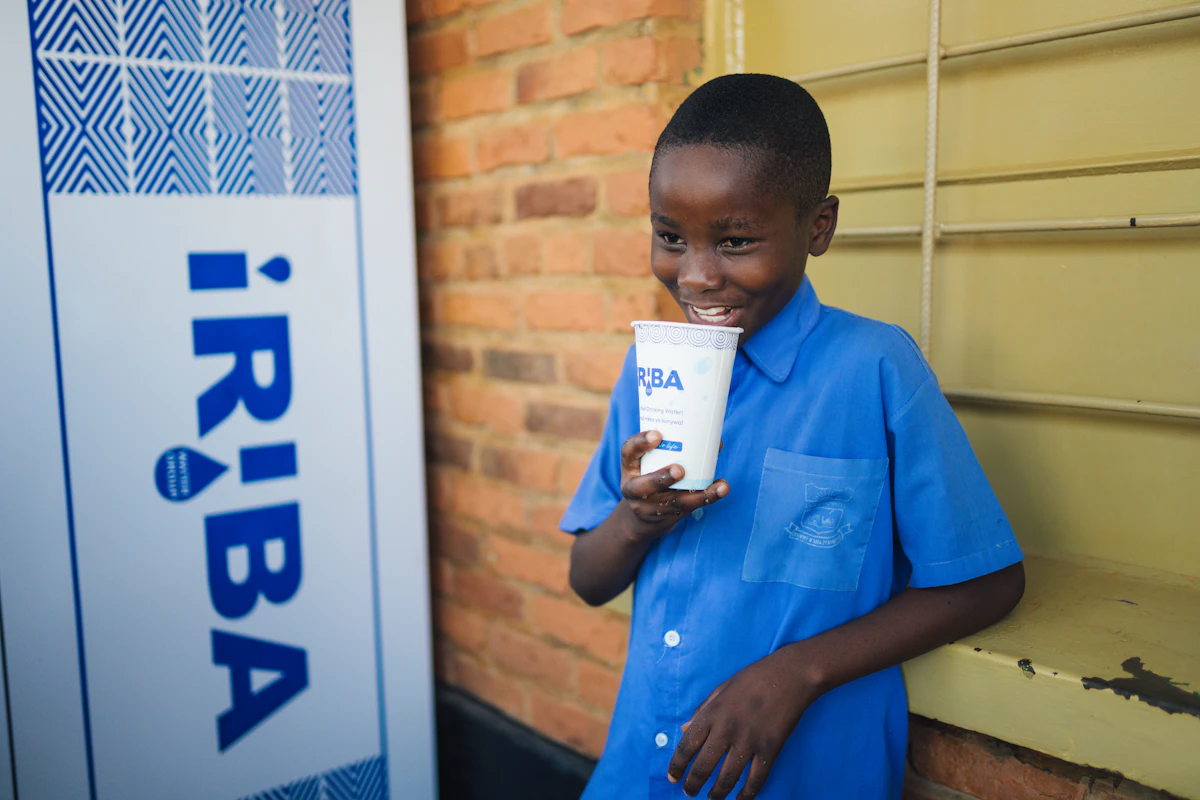
But if someone doesn’t have a container, kiosks also keep reusable cups on hand.
At the end of each day, those cups are collected and sanitized. The next morning, clean cups are delivered back to the kiosks.
It’s not the kind of detail that wins awards. But it tells you something important about the organization.
The small things matter.
IRIBA started with one machine in 2017.
Today, there are 211 Tap&Drink stations, and the team is preparing for a major expansion: more than 500 by the end of the year and 750 within the next twelve months.
At that scale, IRIBA estimates it could provide safe water to approximately 775,000 people every day.
But here’s the part I find particularly compelling: this isn’t a model designed to run indefinitely on philanthropy.
Roughly 55% of IRIBA’s revenue already comes from water sales.
Philanthropic funding, including support from The Adventure Project, helps provide the upfront capital IRIBA needs to expand faster and reach communities that otherwise might have to wait.
Our role isn’t to keep buying water forever.
It’s to help a promising local business scale.
Rwanda has made enormous strides in getting more children into school, including through its school feeding program.
But access to safe drinking water remains a challenge in many public schools.
IRIBA has developed a model to help fill that gap.
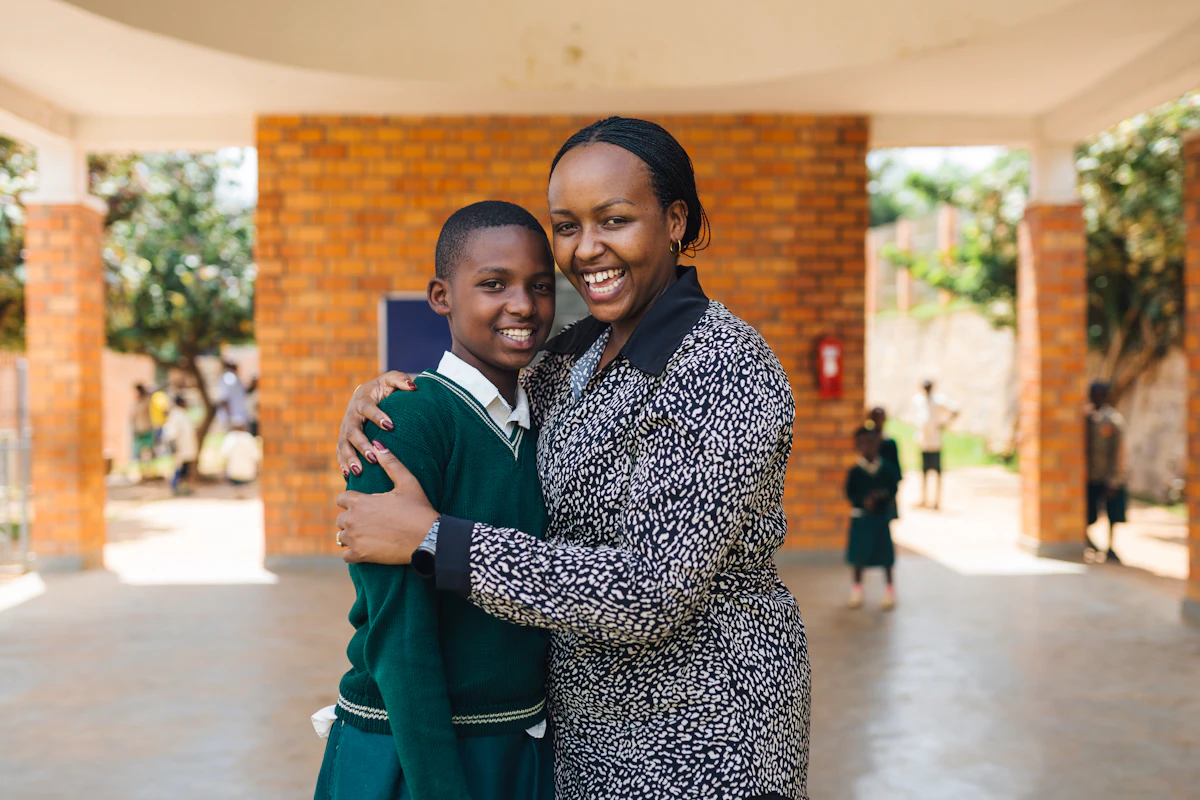
Public schools can receive a Tap&Drink machine at no upfront cost. In return, the school commits approximately $100 per year to cover quarterly maintenance visits and replacement filters.
That relatively small annual investment helps keep safe water flowing for students day after day.
And it’s one of the reasons we’re so excited about helping IRIBA expand. As more machines are installed, more children can access safe drinking water right where they already spend their days.
Founder Yvette Ishimwe and IRIBA have earned some impressive recognition.
Yvette has been named to Forbes Africa’s 30 Under 30 and received recognition from the Cartier Women’s Initiative. IRIBA has also been recognized by the Zayed Sustainability Prize and the St Andrews Prize for the Environment.
But none of those accolades are why we chose to partner with Yvette.
We chose IRIBA because when we looked closely, the model held up.
Safe water.
Affordable pricing.
Customers who keep coming back.
Local entrepreneurs earning an income.
Technology that can be monitored and maintained.
And even those freshly washed cups arriving every morning.
Because lasting change isn’t usually one big breakthrough. It’s hundreds of small things working the way they’re supposed to, every single day.
And that’s what makes IRIBA so exciting to us.
Over the coming weeks, we’ll share more about Yvette, the people behind IRIBA, and our plans to help them grow from 211 Tap&Drink stations to 750.
Because when IRIBA grows, more water flows—and more people have the opportunity to earn a living keeping it flowing.
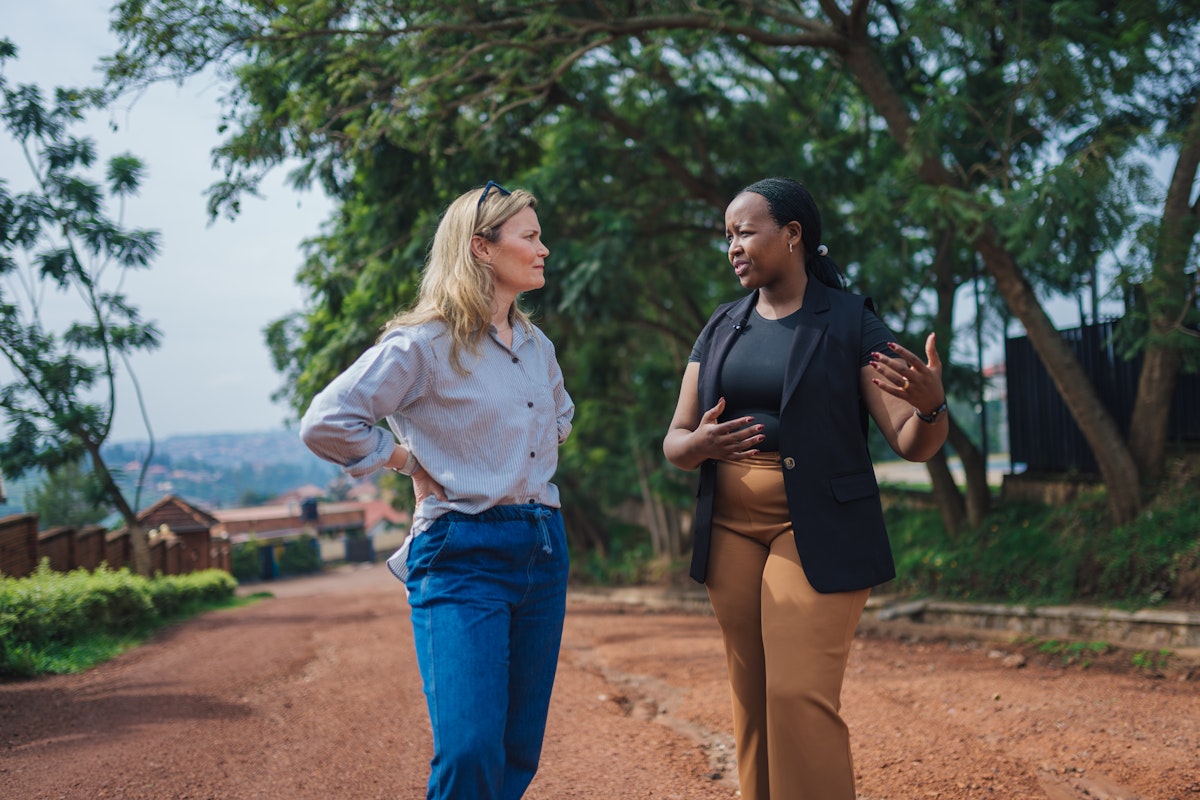
Sources: IRIBA Water Group website; IRIBA Water Group’s 2026 partnership proposal submitted to The Adventure Project; firsthand observations from Becky Straw’s February 2026 visit to an IRIBA station.

Explore our collection of inspiring blog posts and stories.