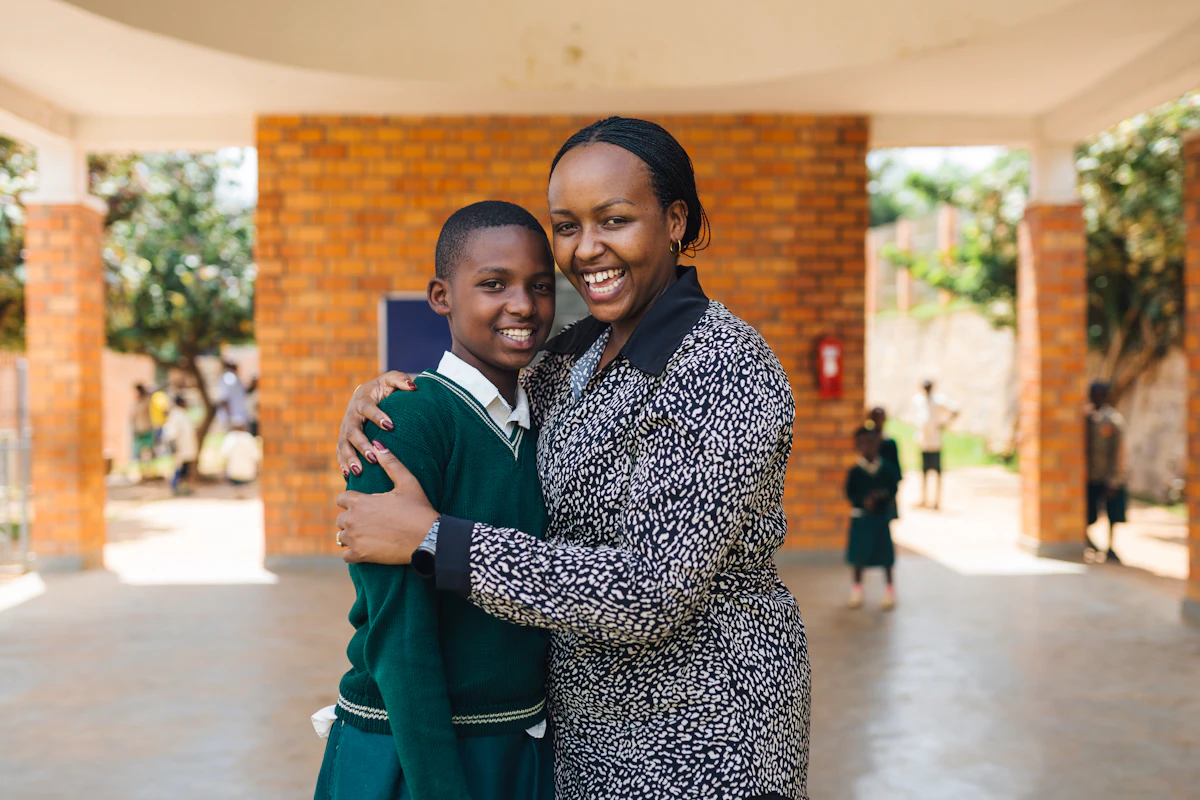
Bosco is a smallholder farmer in western Rwanda, one of the country's poorest regions, where poverty rates exceed 50%. A year ago, he and his wife Adelphine saved enough to purchase a KickStart irrigation pump, allowing them to grow three harvests a year instead of two and farm through the dry season when food prices are highest. The extra income paid school fees, renovated their home (they now have a cement floor), and most significantly, their youngest child is already in preschool. Bosco didn't start school himself until age eight. This Father's Day essay by CEO Becky Straw explores what connects Bosco's story to her own father's weekly hummingbird feeder ritual: the universal instinct to nurture something and leave it better than you found it.
I've developed a theory about empty-nesters.
Once their kids leave home, they look for something else to care for.
I found out recently that my dad has chosen hummingbirds.
I would not describe my 75-year-old father as agile. But I've never seen him move faster than when I nearly poured an old plastic container of water down his kitchen sink.
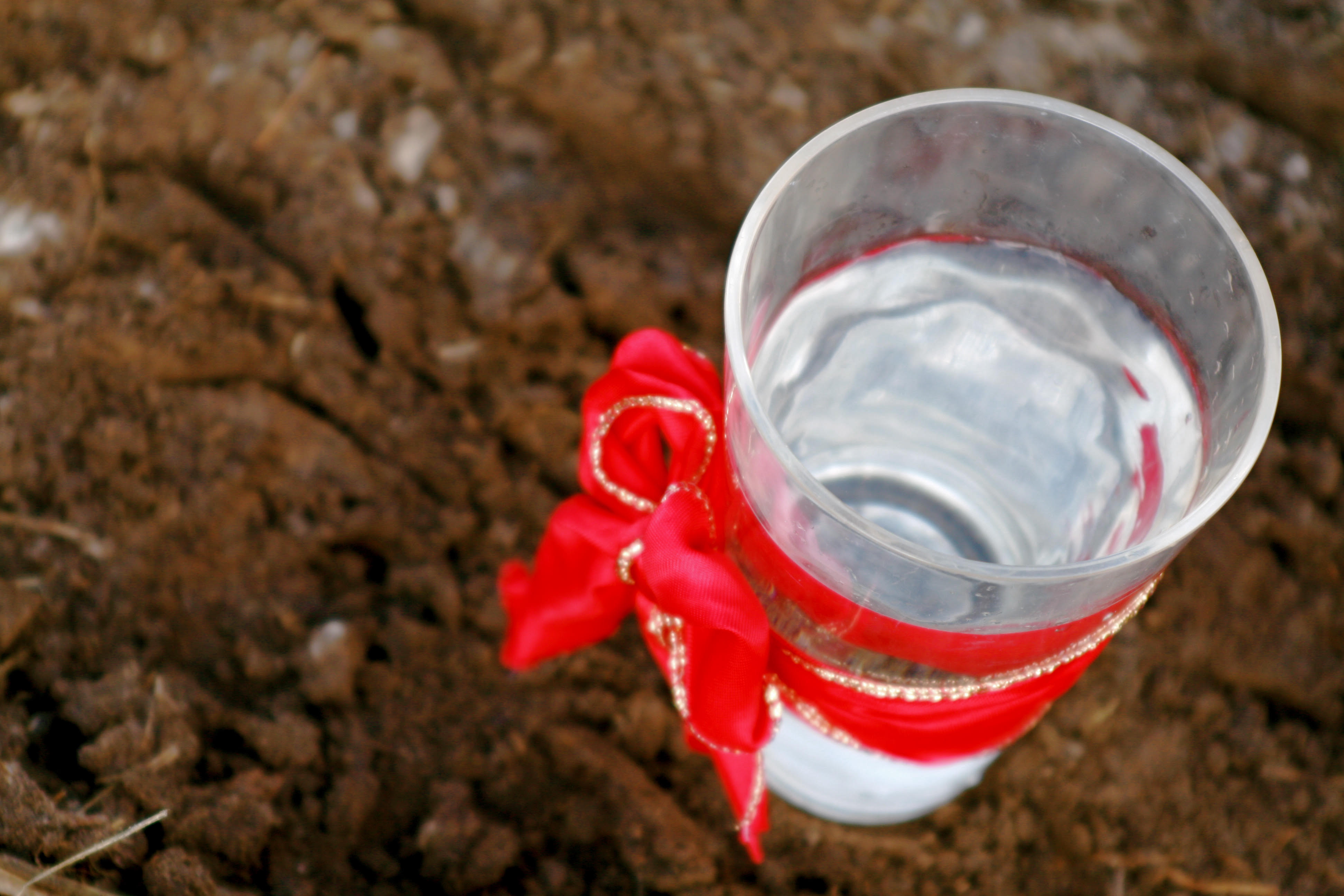
"Don't do that!" he shouted, springing from his chair. "That's my bird water."
I didn't know there was such a thing.
What followed was an (overly) detailed explanation of the process: boil the water to sanitize it and dissolve the sugar, then let it cool for a full 24 hours because apparently hummingbirds can burn their beaks. He does this every week.
My father-in-law has caught the bird bug, too. He buys only specialized seed for his feeders. And spends a surprising amount of time complaining about squirrels.
When I mentioned to a retiree at church that I was headed to Rwanda for work, her ears piqued.
"Good birds there."
She's not wrong. I asked ChatGPT.
Rwanda is home to more than 700 bird species, all packed into a country roughly the size of Maryland. What it lacks in square mileage, it makes up for in hills. Relentless, vertical, joyful hills.
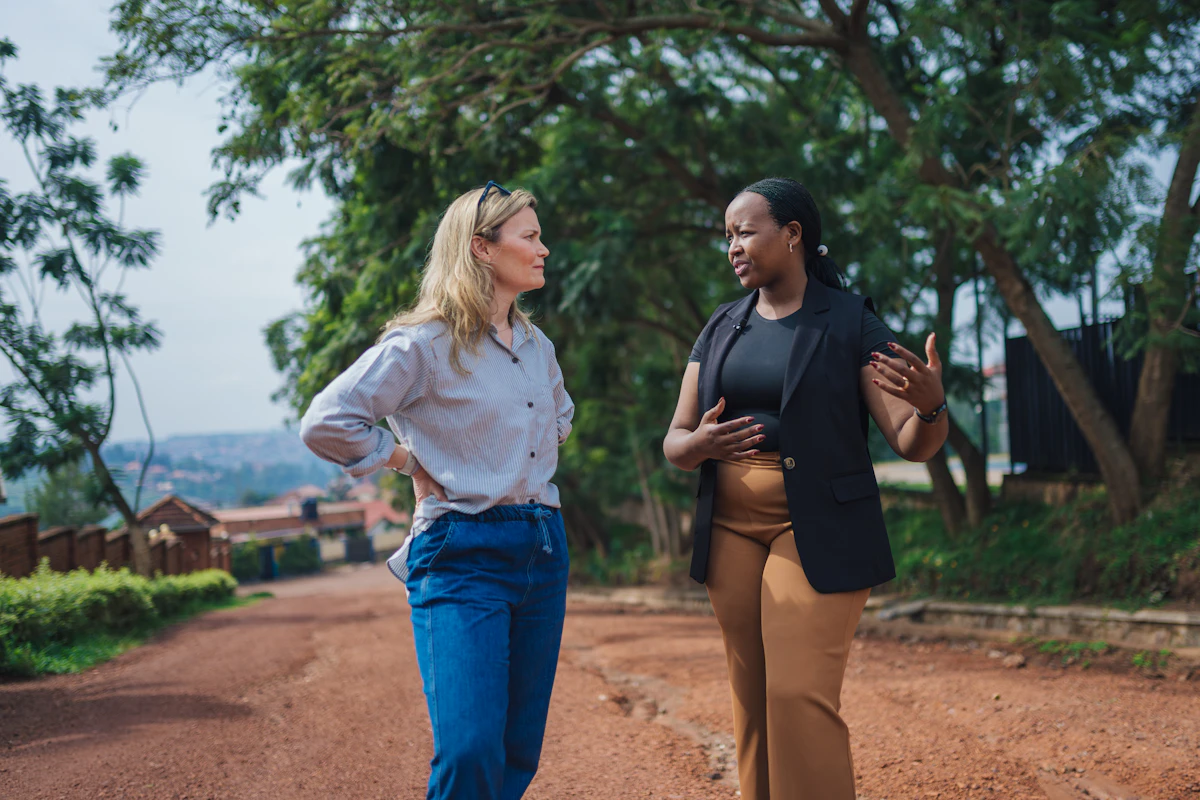
A few weeks ago, my colleague Michael and I travelled to western Rwanda to visit Bosco and Adelphine, two farmers who recently purchased an irrigation pump through our partner, KickStart.
The farm was maybe twenty miles away, yet it took nearly three hours to get there.
After crossing our second bridge, constructed (that's a generous word) from logs that had seen better decades, we decided to walk the rest of the way.
Bosco and Adelphine's farm sits on a steep hillside. The angle is so sharp that my legs cramped from bracing myself. I've visited farms all over the world. I've never seen one quite like this.
You don't walk into it so much as duck and climb into it.
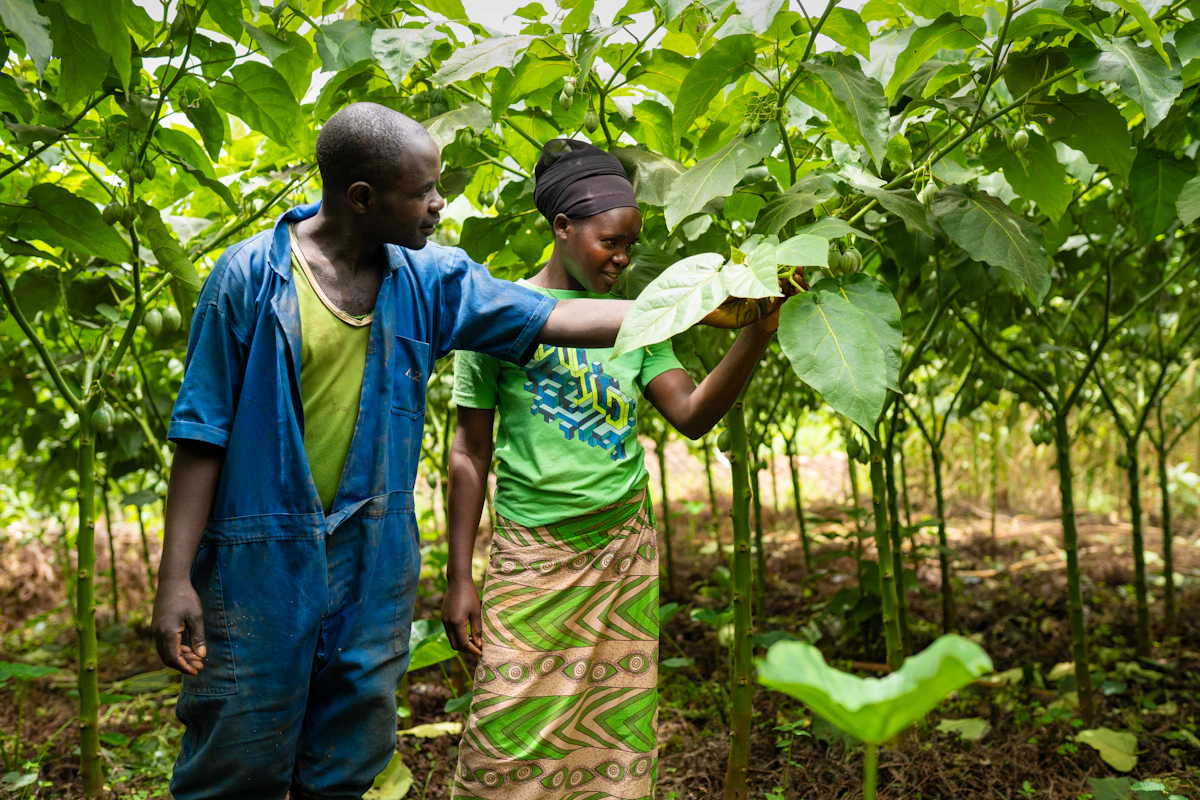
The leaves close around you like a canopy. The air is cool and green. I felt like a kid hiding in a backyard fort. Giddy, hidden, and proud of myself for making it in.
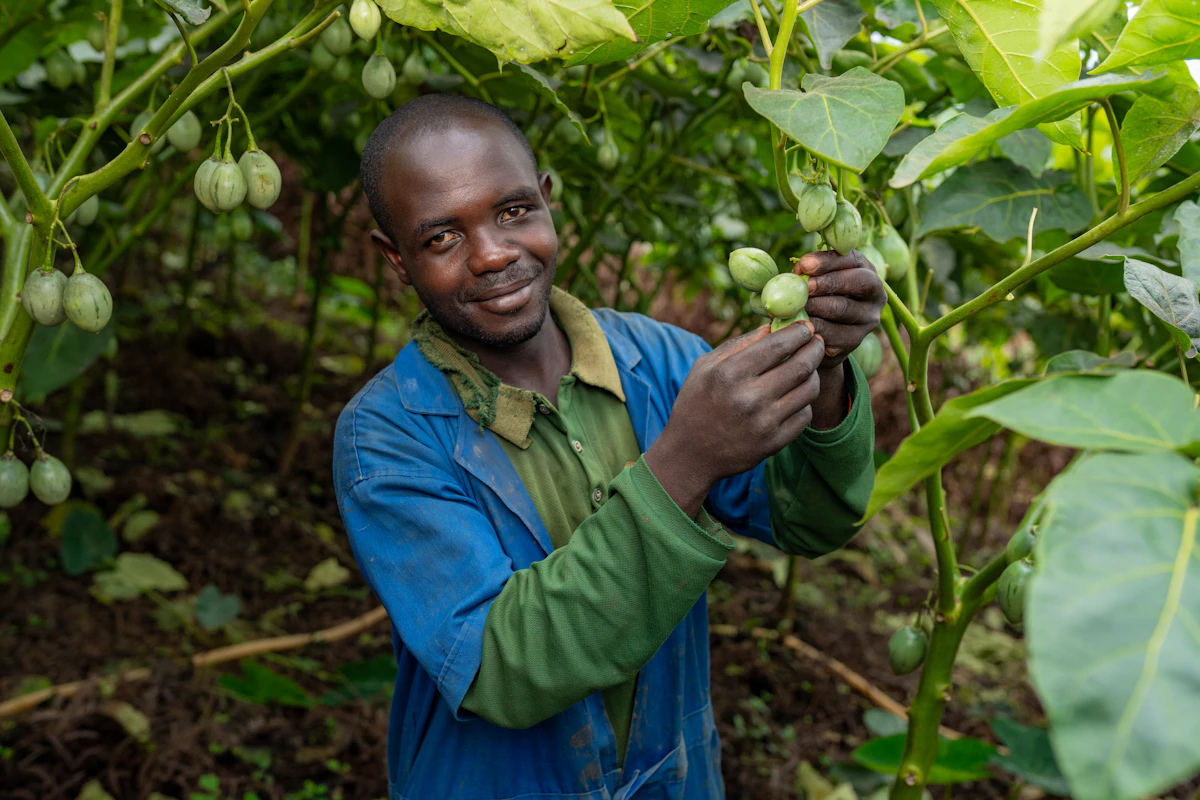
And then I saw the tomatoes.
I didn't know tomato trees existed.
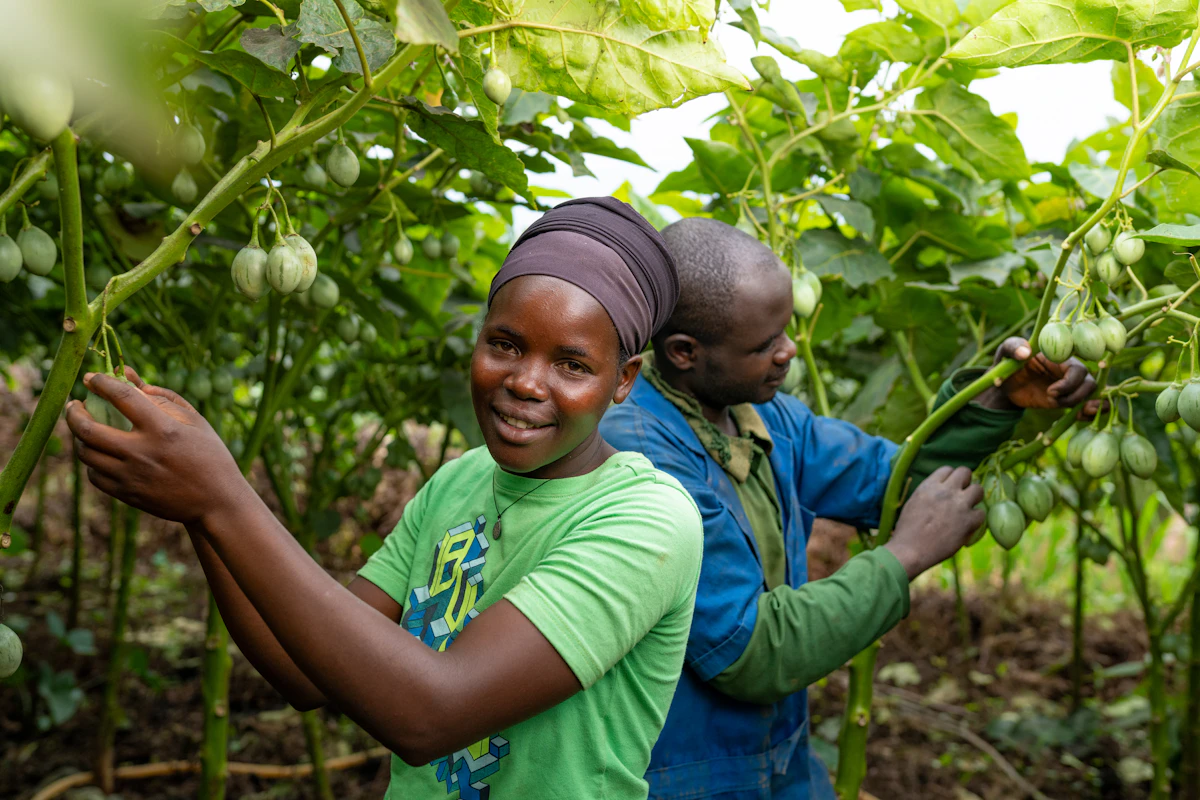
These aren't the low vines you find in backyard gardens. They grow six, seven, or even eight feet tall. Their broad leaves hold clusters of egg-shaped fruit that hang like ornaments.
Crouching underneath them felt less like standing in a field and more like standing inside something alive and verdant.
Which matters more than it sounds.
Nearly 40% of Rwandans survive on less than $2.15 a day. In western Rwanda, where Bosco and Adelphine farm, poverty rates exceed 60%. Farming isn't an aspirational Instagram lifestyle choice here. It's the difference between children eating and not eating. Between school fees getting paid or not. Between possibility and limitation.
That’s why what you helped build here matters more than ever.
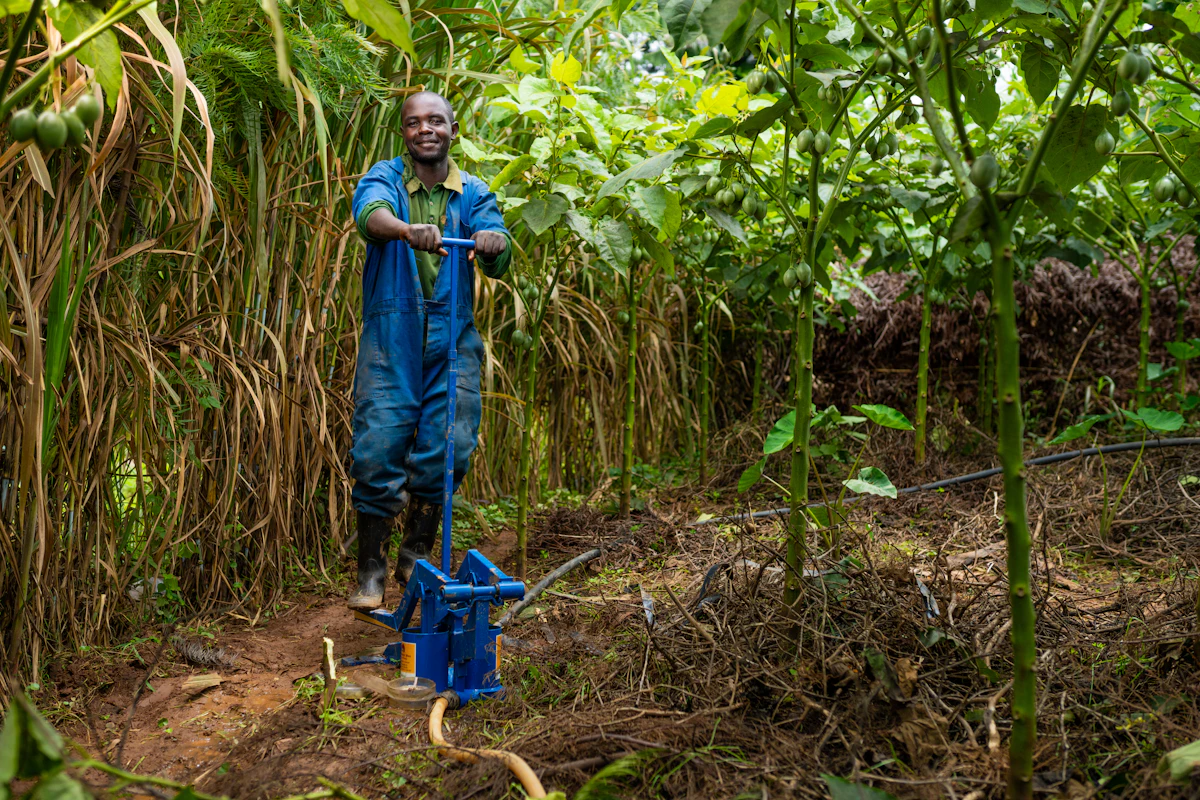
A year ago, Bosco and Adelphine saved enough money to buy an irrigation pump.
Until recently, this technology wasn't available in Rwanda. Supporters of The Adventure Project helped KickStart bring these pumps from Kenya. You also helped cover much of the cost and logistics required to reach farms like this one. Which, as you may have gathered, is not exactly easy.
The pump changed everything.
Instead of two harvests a year, Bosco and Adelphine can now grow three. They can farm through the dry season when crops command higher prices.
The extra income first went toward school fees.
Then Adelphine mentioned they had renovated their home.
I absent-mindedly pictured a kitchen expansion. Maybe a new room.
"We were able to get a cement floor," she said.
Before, it was dirt.
I thought about that for a while.
Then Bosco told me something I haven't been able to shake.
As a child, his parents, also farmers, couldn't afford school. He didn't begin his education until he was eight years old, when he finally entered free primary school.
Eight.
The age my own son is now.
While my son is finishing second grade, Bosco was just beginning school.
He shared this casually, the way people sometimes mention things they've quietly carried for a long time.
Then he started talking about his own two children.
Their youngest is in preschool now.
"Imagine how much more they will learn," he said, smiling. "Compared to where I was."
One generation waited until age eight to enter a classroom.
The next one is already in preschool.
And there it was.
The real harvest.
Not the tomatoes.
Not the income.
Not even the cement floor.
A father looking at his children and imagining a future bigger than the one he inherited.
Standing there, it struck me that Bosco saving for an irrigation pump and my dad fussing over hummingbird water aren't actually that different.
I’m aware the comparison has limits. One is abundance. One is a necessity. But both are acts of care.
Both are tiny bets that something worth nurturing will grow.
My dad boils water every week for hummingbirds that may never fully appreciate the effort. It costs him an afternoon.
Bosco spent a year saving for an irrigation pump so his children could have opportunities he never did. It cost him everything he had.
The stakes couldn’t be any more different. But the instinct is the same.
To nurture something.
To help it flourish.
To leave it better than you found it.
I've come to believe that most of us spend our lives answering the same question in different ways:
What can I do today so that something else has a chance to flourish tomorrow?
For my dad, it's bird water.
For Bosco, it's tomato trees.
For the people who make this work possible, it's an irrigation pump.
Different answers.
Same hope.

Explore our collection of inspiring blog posts and stories.